Introduction: Why Spine Fractures Need Immediate Attention
Spine fractures are serious injuries that can affect mobility, stability, and overall quality of life. The spine not only supports your body but also protects the spinal cord, which controls movement and sensation. Even a minor fracture, if ignored, can lead to long-term complications.
With increasing road accidents, falls, and age-related bone weakness, spine fractures are becoming more common. Early diagnosis and the right treatment approach are critical to prevent permanent damage.
At Asian Superspeciality Hospital, recognised as a Best Spine Surgery Hospital in India, advanced spine care is delivered under the expertise of Dr. Bhupesh Patel, ensuring accurate diagnosis and modern treatment solutions.
What is a Spine Fracture?
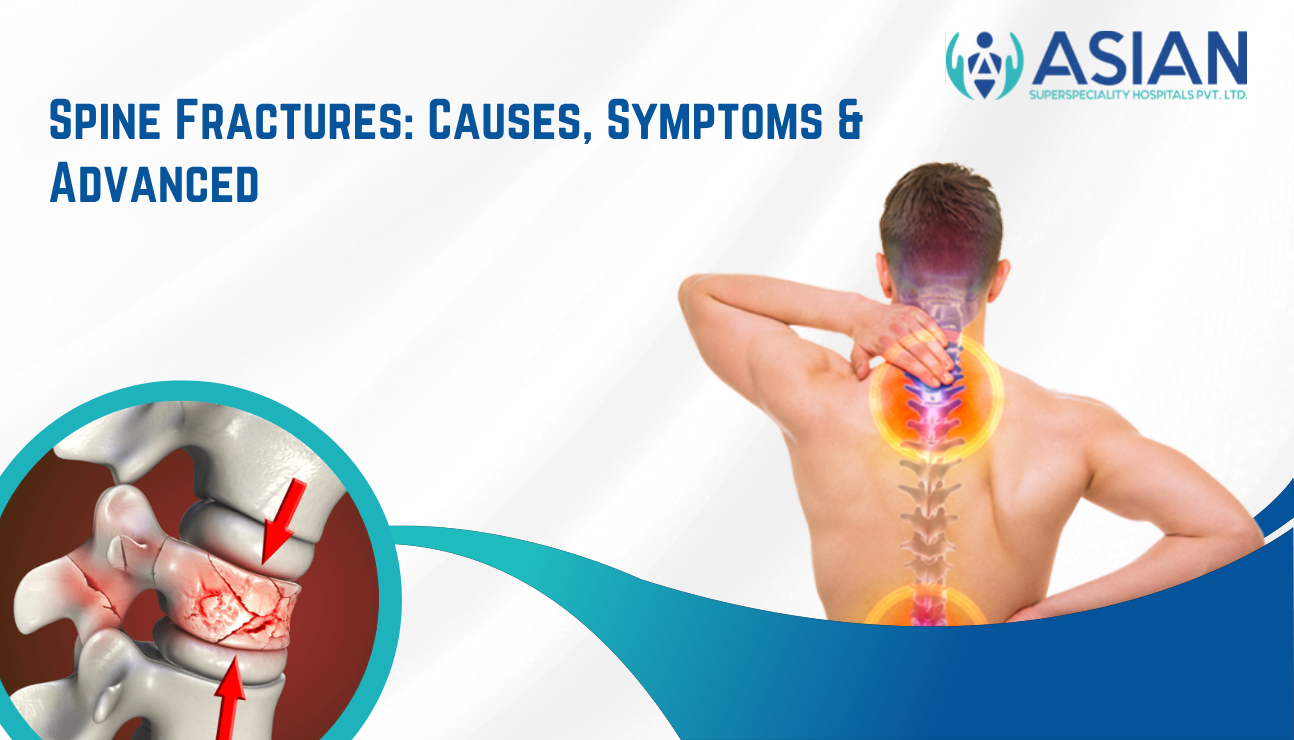
A spine fracture occurs when one or more bones (vertebrae) in the spine break, crack, or collapse. Depending on the severity, it may affect only the bone structure or also involve the spinal cord and nerves.
Some fractures are stable and heal with conservative care, while others can lead to instability and nerve damage, requiring advanced intervention.
Types of Spine Fractures
Spine fractures are classified based on how the bone is damaged:
- Compression Fracture – Collapse of the vertebra, often seen in osteoporosis
- Burst Fracture – Bone breaks into multiple pieces, may affect nerves
- Flexion-Distraction Fracture – Caused by forceful bending, often due to accidents
- Fracture-Dislocation – Severe injury involving both bone break and displacement
Understanding the type of fracture is essential for choosing the right treatment.
Common Causes of Spine Fractures
Spine fractures can occur due to:
- High-impact trauma such as road accidents
- Falls, especially in elderly individuals
- Osteoporosis leading to weakened bones
- Sports injuries
- Tumours or infections affecting bone strength
In some cases, even a minor fall can result in a fracture if the bones are already weak.
Symptoms You Should Not Ignore
Symptoms vary depending on the severity of the fracture and nerve involvement. Common signs include:
- Sudden or severe back or neck pain
- Pain after injury or fall
- Difficulty standing or walking
- Reduced mobility
- Numbness, tingling, or weakness in limbs
Red Flags to watch for:
- Loss of balance or coordination
- Increasing weakness
- Loss of bladder or bowel control
These signs may indicate nerve involvement and require immediate medical attention.
How Spine Fractures Are Diagnosed
Accurate diagnosis is the foundation of effective treatment. At a Best Spine Surgery Hospital in India, evaluation includes:
- Detailed clinical examination
- X-ray to identify fractures
- MRI to assess nerve involvement
- CT scan for detailed bone structure
This helps determine whether the fracture is stable or requires surgical intervention.
Treatment Options for Spine Fractures
Spine fractures can be treated without surgery if they are stable. Doctors usually suggest rest, limited movement, and wearing a belt to support the spine. Pain relief medicines help manage discomfort. Physiotherapy also helps improve strength and recovery over time.
If the fracture is severe or affects the nerves, surgery may be needed. Modern treatments like minimally invasive spine surgery are commonly used. These procedures are safer and more precise. They also help patients recover faster with less pain
Role of Minimally Invasive Spine Surgery, Endoscopic Spine Surgery
Minimally invasive spine surgery has transformed spine fracture treatment by reducing surgical impact and improving recovery outcomes.
Benefits include:
- Smaller incisions
- Less muscle damage
- Reduced pain after surgery
- Faster healing
- Early return to daily activities
Dr. Bhupesh Patel specialises in such advanced techniques, ensuring effective treatment with minimal disruption to surrounding tissues.
Recovery and Rehabilitation
Recovery depends on the type of fracture and treatment approach. Most patients benefit from:
- Early guided movement
- Physiotherapy
- Strengthening exercises
- Posture correction
Structured rehabilitation plays a key role in restoring mobility and preventing future spine issues.
Why Choosing the Right Spine Specialist Matters
Spine fractures require precise evaluation and treatment planning. Choosing an experienced spine specialist can make a significant difference in recovery and long-term outcomes.
Dr. Bhupesh Patel, known for his expertise in advanced spine care, focuses on:
- Accurate diagnosis of fracture type
- Selecting the most appropriate treatment approach
- Using minimally invasive techniques whenever possible
- Ensuring long-term spine stability and function
His patient-first approach has positioned Asian Superspeciality Hospital among the Best Spine Surgery Hospitals in India for advanced spine care.
Final Thoughts
Spine fractures can significantly impact daily life, but with timely diagnosis and the right treatment, recovery is possible. Modern spine care offers advanced solutions that focus on precision, safety, and faster healing.
At Asian Superspeciality Hospital, recognised as a Best Spine Surgery Hospital in India, patients receive expert care under Dr. Bhupesh Patel, combining advanced technology with personalised treatment.
If you or your loved one experiences symptoms of a spine fracture, early consultation can help prevent complications and ensure better outcomes.
FAQs
Book Your Consultation with Dr. Bhupesh Patel
If you are experiencing back pain, neck pain, or nerve-related symptoms, consulting a spine specialist can help you understand the right treatment options.
Visit Asian Superspeciality Hospital to consult Dr. Bhupesh Patel and receive personalised spine care designed for long-term relief.