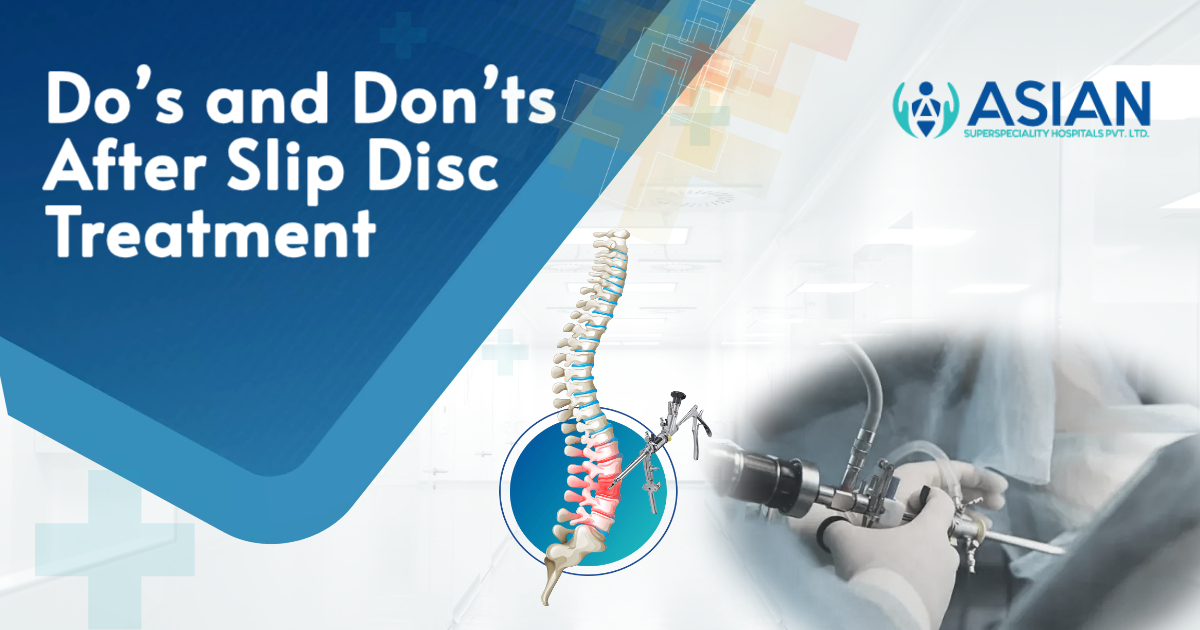
Living with a slip disc can affect almost every part of your daily routine. From persistent back pain to leg discomfort and difficulty performing routine activities, the condition can have a significant impact on mobility and overall well-being. While treatment can reduce symptoms and support recovery, following the right precautions after treatment is equally important to protect your spine and avoid recurring issues. Understanding what to do—and what to avoid—can make a meaningful difference in recovery outcomes.
Whether you have undergone physiotherapy, medication-based treatment, or a minimally invasive spine procedure, following the right precautions is essential for long-term recovery.
What Exactly is a Slip Disc?
A slip disc occurs when one of the spinal discs moves out of place or develops a tear, putting pressure on nearby nerves. This can cause back pain, leg pain, numbness, or weakness. While treatment addresses the condition, proper recovery habits are essential for long-term results.
Why Recovery Matters After Slip Disc Treatment
Even after successful treatment, the spine requires time to heal completely. Recovery plays a crucial role in restoring strength, preventing recurrence, and supporting long-term spine health.
Many patients feel better once the pain reduces and immediately return to old habits. Unfortunately, this can increase the risk of recurring symptoms and delayed recovery.
Proper rehabilitation and lifestyle modifications help maintain spine health and support long-term results.
Do’s After Slip Disc Treatment
Maintain Good Posture
Proper posture reduces unnecessary stress on the spine. Whether sitting at work, driving, or standing for long periods, keeping the spine aligned can help prevent additional strain on the healing area.
Stay Physically Active
Complete bed rest is rarely recommended for extended periods. Gentle walking and light daily activities help improve blood circulation, maintain flexibility, and support recovery.
Follow Your Physiotherapy Program
Physiotherapy plays an important role in strengthening the muscles that support the spine. Following the exercises prescribed by your healthcare team can improve stability and reduce the chances of future problems.
Maintain a Healthy Weight
Excess body weight places additional pressure on the spine and spinal discs. Maintaining a healthy weight can reduce strain on the lower back and support long-term recovery.
Attend Follow-Up Appointments
Regular follow-up visits allow your spine specialist to monitor healing progress and address any concerns before they become serious.
Don’ts After Slip Disc Treatment
Avoid Heavy Lifting
Lifting heavy objects too soon after treatment can place excessive stress on the spine and increase the risk of re-injury. Always follow your doctor’s recommendations regarding lifting restrictions.
Avoid Sudden Twisting and Bending
Quick twisting motions, awkward bending, or improper lifting techniques can aggravate the healing disc and trigger symptoms again.
Do Not Sit for Long Hours
Prolonged sitting increases pressure on the lower spine. If your work requires sitting for long periods, take short walking or stretching breaks throughout the day.
Do Not Ignore Recurring Symptoms
Persistent back pain, leg pain, numbness, or weakness should never be ignored. Early evaluation can help identify problems before they worsen.
Avoid Self-Medication
Taking painkillers without proper medical advice may temporarily mask symptoms while the underlying issue continues to progress.
Do Not Rush Back to Intense Activities
Returning to gym workouts, sports, or physically demanding tasks too early can place excessive stress on the healing spine. Recovery should always progress according to your doctor’s guidance.
Slip Disc Treatment in Ahmedabad
Dr. Bhupesh Patel offers comprehensive Slip Disc Treatment in Ahmedabad with a focus on accurate diagnosis, personalised care, and long-term spine health. Every treatment plan is designed according to the severity of the condition, symptoms, and the patient’s lifestyle needs.
His approach focuses on:
- Accurate diagnosis
- Personalised treatment planning
- Structured rehabilitation
- Long-term spine care
- Prevention of recurrence
Depending on the patient’s condition, treatment may include medications, physiotherapy, lifestyle modifications, or advanced minimally invasive procedures when required. The goal is always to relieve nerve pressure, reduce pain, restore mobility, and help patients return to their daily activities safely.
At Asian Superspeciality Hospital, patients receive comprehensive guidance throughout their treatment and recovery journey, ensuring the best possible outcomes and long-term spine health.
Final Thoughts
The success of Slip Disc Treatment depends not only on the treatment itself but also on the recovery process that follows. Maintaining good posture, staying active, following physiotherapy advice, and avoiding activities that strain the spine can significantly improve outcomes.
If symptoms return or recovery is not progressing as expected, seeking timely guidance from an experienced spine specialist is essential. Under the care of experts like Dr. Bhupesh Patel, patients can receive personalized support aimed at restoring mobility, reducing pain, and protecting long-term spine health.
FAQs
Book Your Consultation with Dr. Bhupesh Patel
If you are recovering from a slip disc or experiencing recurring symptoms, consult Dr. Bhupesh Patel at Asian Superspeciality Hospital for expert guidance on recovery and long-term spine health.